Victoria votes on 28 November. The law today on stamp duty, land tax and renting, and what the Greens, Labor and the Liberal and National Coalition have published, side by side and in alphabetical order.
Victorians vote on Saturday 28 November 2026. Early voting opened on Wednesday 18 November. For anyone buying, investing or renting, three areas of state policy matter most: stamp duty, land tax and renting.
This article sets out what the parties have published on each, and what the law is today. It does not say which approach is better.
It covers the three groupings with members in the Legislative Assembly, in alphabetical order: the Greens, Labor, and the Liberal and National Coalition. Other parties and independents are standing too; the VEC lists every candidate at vec.vic.gov.au.
1. Current law
These are the rules in force now, as published by the State Revenue Office.
- First home buyers pay no stamp duty on a home with a dutiable value up to $600,000. They pay a reduced amount between $600,001 and $750,000. The First Home Owner Grant is $10,000 for eligible new homes valued up to $750,000.
- Land tax applies once total taxable landholdings reach $50,000. The SRO says the current rates apply for the 2024 to 2033 land tax years. Before 2024 the threshold was $300,000.
- Vacant residential land tax now applies to residential land across Victoria, at 1% to 3% of capital improved value depending on how long the land has been vacant.
- Rent increases have no statutory cap.
2. Proposed policies, side by side
As at 1 November 2026. Each entry summarises the party’s own published material. Where a party has published nothing on a topic, the table says "No published proposal located".
| The Greens | Labor | Liberal and National Coalition | |
|---|---|---|---|
| Stamp duty | Abolish stamp duty for owner-occupiers on homes under $1.1 million, and discount it for homes up to $1.6 million. Investors are not included. | Three-year stamp duty moratorium for eligible discretionary trusts that restructure. Review of foreign purchaser additional duty. No general change located. | Exempt first home buyers on properties up to $1 million (see below). States it will reduce stamp duty more generally; no further detail located. |
| Land tax | A higher land tax on investors holding more than $5 million in residential investment property. Double vacant residential land tax, and extend a vacancy tax to empty commercial property in metropolitan Melbourne. | Restore the land tax threshold from $50,000 to $300,000 in steps over six years, starting in 2027/28. Review of the absentee owner surcharge. | Restore the land tax threshold from $50,000 to $300,000 over five years. |
| First home buyers | No separate proposal located. The owner-occupier stamp duty proposal would apply to first home buyers. | Build 25,600 new homes reserved for first home buyers, sold at market prices, with the first expected in 2027. No change to the existing duty concession or grant located. | Exempt first home buyers from stamp duty on established or off-the-plan properties up to $1 million. |
| Investors | Excluded from the stamp duty proposal. Landlord licensing. End the build-to-rent and absentee owner land tax exemptions. | The land tax threshold change applies to investment property. Changes to absentee owner surcharge exemptions for developers. | The land tax threshold change applies to investment property. Repeal the tax on short-stay accommodation. |
| Renters | Freeze rents for two years, then cap yearly increases at wage growth or inflation, whichever is lower. Independent regulator to license landlords. | Make the Renting Taskforce permanent, add six inspectors, and double funding for renter support services to more than $99 million over five years. | No published proposal located. |
| Supply and planning | 88,000 new public homes. Require 30% affordable housing in private developments of 15 or more units. | 25,600 first home buyer homes as part of a wider pipeline. | Faster precinct structure plans, an expanded Capital City Zone, and replacing current activity centre and housing target policies. |
| Status | Election commitments. No PBO costing of these policies publicly released as at 1 November 2026. | Election commitments. Land tax change to be legislated in the first Budget. No PBO costing of these policies publicly released as at 1 November 2026. | Election commitments. No PBO costing of these policies publicly released as at 1 November 2026. |
3. How to read the table
Each row compares the same topic across the three groupings. The wording in each cell is a plain summary of what the party has published, not our assessment of it. Where one column says "No published proposal located" and another has detail, one party has published on that topic and the other has not. It does not mean either position is better.
Where a proposal names a start date, a threshold or a phase-in, that detail comes from the party’s own material. The final legislation may differ.
4. What a promise means for a contract you sign now
An election commitment does not change the law. Duty and land tax are charged under the law in force at the time, and any change must pass Parliament. The legislation will set its own start date and scope, which can differ from what was announced.
Do not price a promise into a contract. Work out the duty under today’s rules, and get advice before timing a purchase around a proposal. Our contract of sale reviews cover the duty position.
Land tax runs on a calendar year
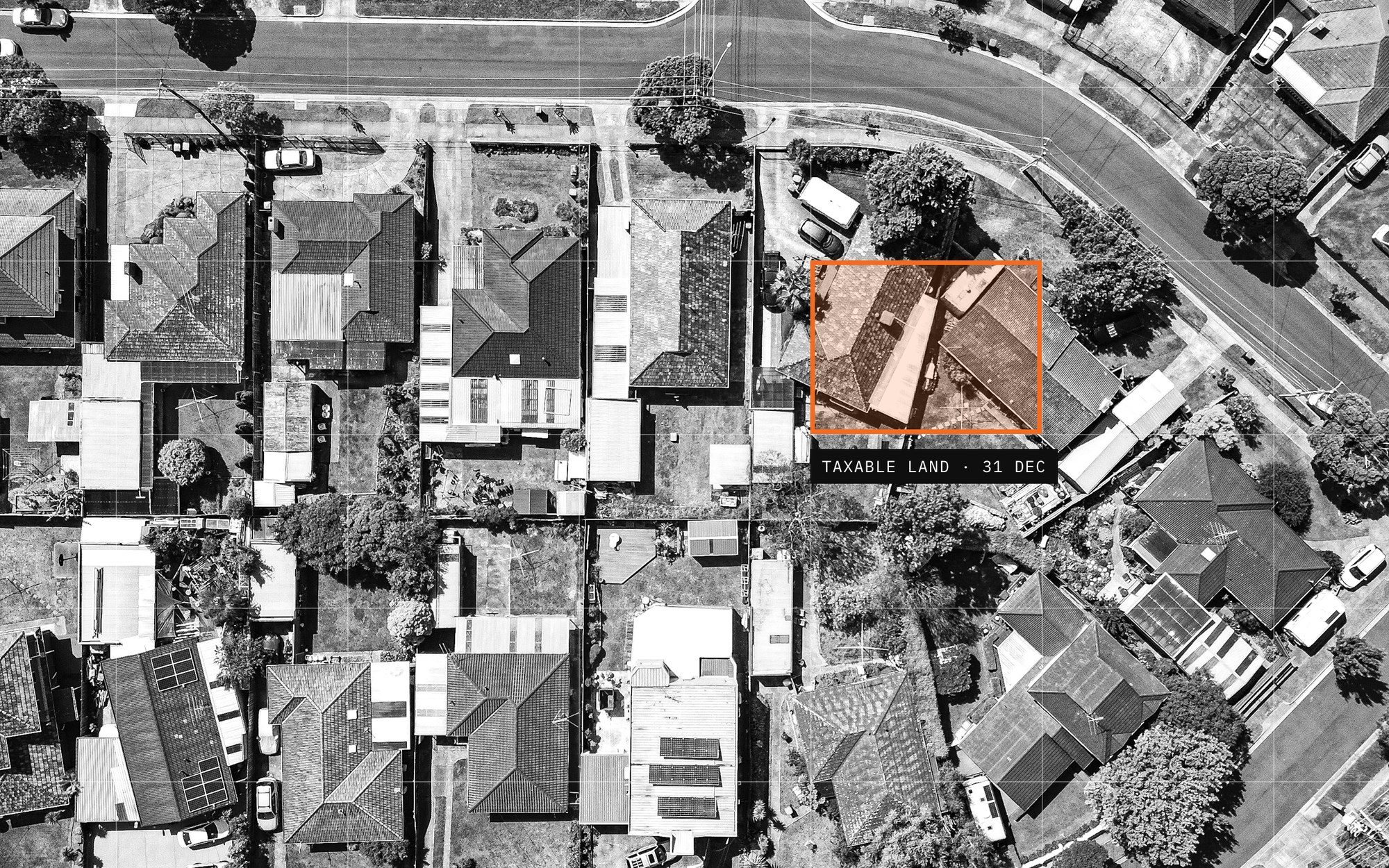
Land tax is assessed on the land you own at midnight on 31 December. A purchase that settles before that date is counted for the following land tax year, so the start date in any new law matters for anyone buying or selling over summer.
Signing before 28 November
If you sign a contract before the election, it proceeds on today’s rules. If you are a first home buyer, check whether your purchase qualifies for the current exemption or concession, and confirm the dutiable value with us before you sign.
5. After 28 November
The detail will come in legislation and budget papers after the election. We will explain what changes once it is published, including the start date and any transitional rules.
6. How Crownmark Lawyers can help
We advise buyers, sellers and owners on how today’s duty and land tax rules apply to a particular purchase or holding, and review contracts before they are signed. Our property and conveyancing team can tell you where you stand now, whatever the outcome on 28 November.
Our work is offered under Crownmark Assured Pricing (CAP): a fixed fee, agreed before any work begins, so you know the cost of the advice before you commit to it. If you are buying, selling or holding property, book a consultation or call 1800 884 751.
This article summarises policies published by each party and is current as at 1 November 2026. It is general information only, not legal or tax advice, and it is not a recommendation about how to vote. Liability limited by a scheme approved under Professional Standards Legislation.
Authorised by Harjit Singh Mahindroo, Crownmark Lawyers, Level 40, 140 William Street, Melbourne VIC 3000.

Written by
Managing Partner · LL.B · BBus (Acc)(Fin Risk) · IPA · IFA · GDLP · LPMC